
$500 Off Any Project Through 10/31/2025
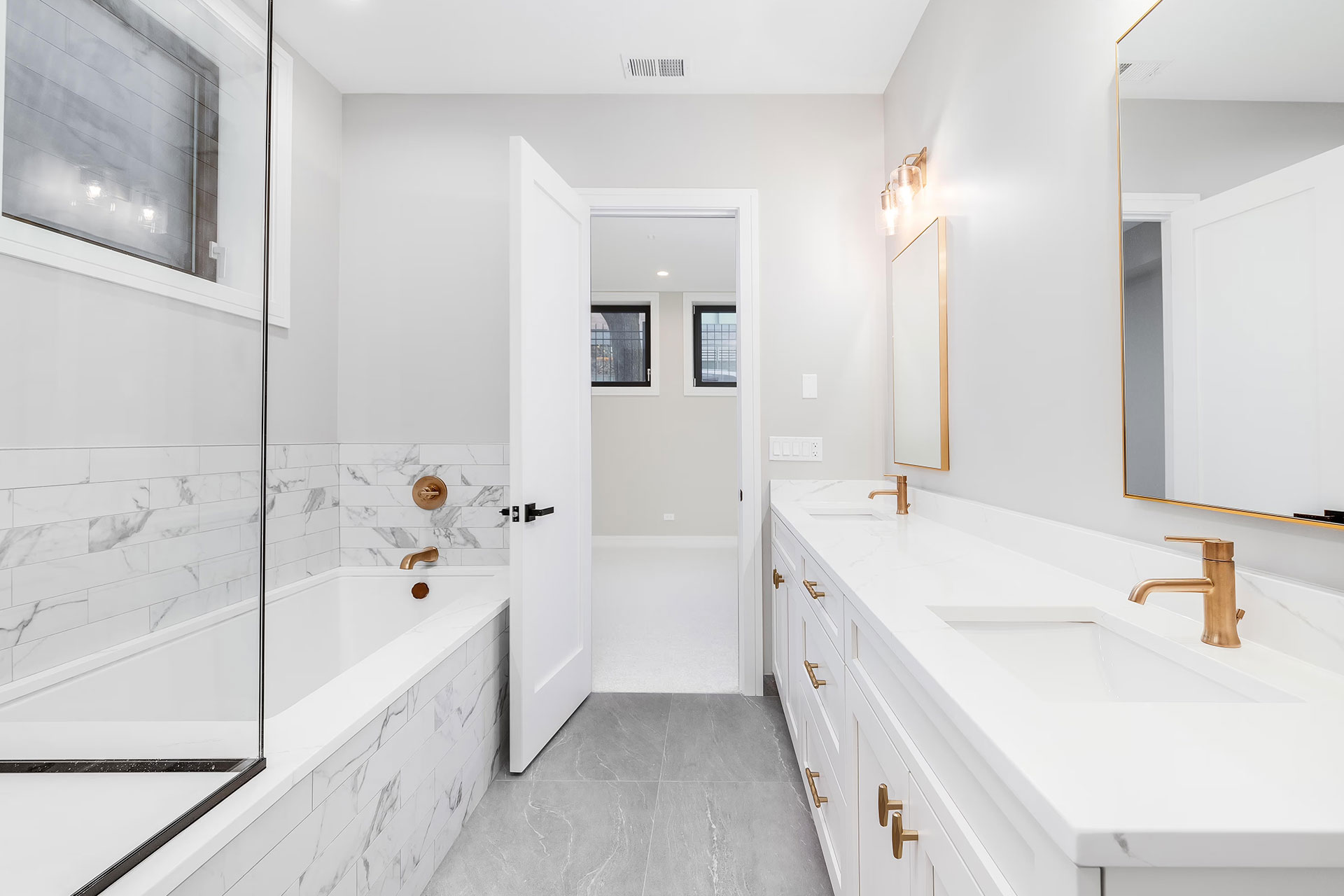
Why Winter Humidity Matters in Florida Remodels
Winter in Florida may bring cooler temperatures, but humidity remains a constant factor that homeowners should consider when planning a bathroom remodel. Unlike colder regions where winter air is dry, Florida’s climate continues to hold moisture throughout the year. Since bathrooms are already frequently exposed to steam and water, humidity management should remain a top priority even during the winter months.
Many homeowners assume humidity concerns fade once summer ends, but moisture does not simply disappear with cooler weather. In Florida homes, humidity can still accumulate in bathrooms and surrounding spaces, even when air conditioning use is reduced. Without proper planning, this lingering moisture can impact materials, finishes, and the long-term performance of a remodeled bathroom.
How Florida’s Winter Humidity Affects Bathrooms
Humidity does not require extreme heat to cause problems. Even in cooler conditions, moisture in the air can settle into walls, grout lines, and cabinetry. Bathrooms are especially vulnerable because daily activities such as showering, bathing, and handwashing introduce additional moisture into the space.
Over time, excess humidity can affect how materials behave. Wood-based products may swell or warp, finishes can discolor, and surfaces may show signs of premature wear. Grout and sealants can also be impacted when moisture lingers longer than intended. Winter remodeling projects should account for these conditions to ensure the bathroom remains durable, comfortable, and functional throughout the year.
Material Selection Matters More Than the Season
A successful bathroom remodel in Florida depends heavily on selecting materials that can handle a humid environment. Some finishes and surfaces perform well in dry climates but struggle when exposed to consistent moisture. Choosing moisture-resistant materials helps protect the bathroom from long-term wear and reduces the likelihood of future repairs.
Wall systems, flooring, and cabinetry should all be evaluated with Florida’s climate in mind. Materials that resist moisture absorption and are properly sealed tend to perform better over time. Installation also plays a critical role. Proper sealing and finishing techniques help materials maintain their appearance and performance well beyond the winter season and into the more humid months ahead.
Ventilation Is Not Just a Summer Concern
Ventilation plays a critical role in managing bathroom humidity regardless of the time of year. While winter showers may feel less steamy than those taken in summer, moisture can still linger long after use if airflow is insufficient. Without proper ventilation, humidity may remain trapped inside the bathroom, gradually affecting surfaces and contributing to hidden damage.
A well-designed bathroom remodel should include ventilation strategies that promote consistent air circulation. Effective airflow helps regulate moisture levels, supports healthier indoor air quality, and reduces the chance of long-term material issues. Ventilation is not just about comfort. It is an essential component of protecting the investment made during remodeling.
Why Winter Is Still a Smart Time to Remodel
Despite ongoing humidity, winter remains a popular time for bathroom remodeling in Florida. Milder outdoor temperatures can make construction more comfortable, and homeowners often find scheduling more flexible during this season. Winter projects also allow homeowners to address moisture concerns before the higher humidity levels of summer return.
By accounting for humidity during planning and installation, winter remodels can deliver long-lasting benefits without compromise. Thoughtful material selection, proper ventilation, and careful installation all contribute to a bathroom that performs well in every season. The key is understanding that Florida’s climate influences bathroom performance year-round, not just during peak summer months.
A bathroom remodel that addresses humidity from the start helps ensure comfort, durability, and peace of mind long after the project is complete. Contact Ark Baths and More to learn more.